Mobility Think Tanks bring together over 150 participants and return in May
On April 14 and 15, the future of mobility was the focus of intense debate, bringing together experts, decision-makers, and enthusiasts in a series of think tanks that clearly demonstrated that urban transformation is already underway—and that it inevitably relies on more sustainable, intelligent, and inclusive solutions.
With a total of more than 150 participants, the sessions highlighted the growing interest and commitment surrounding the future of mobility, with a strong emphasis on bicycles, technology, and innovation applied to cities.
The morning of April 14 opened with the theme of sustainable urban logistics, where the role of the bicycle as an agent of change in modern cities stood out. Discussions ranged from its evolution as a leisure activity to its emergence as a key vehicle in sustainable urban transformation. Throughout the session, participants explored the dynamics of the electric bicycle market, the impact of artificial intelligence on emissions reduction, and the challenges of last-mile logistics, revealing a rapidly evolving sector with enormous potential.
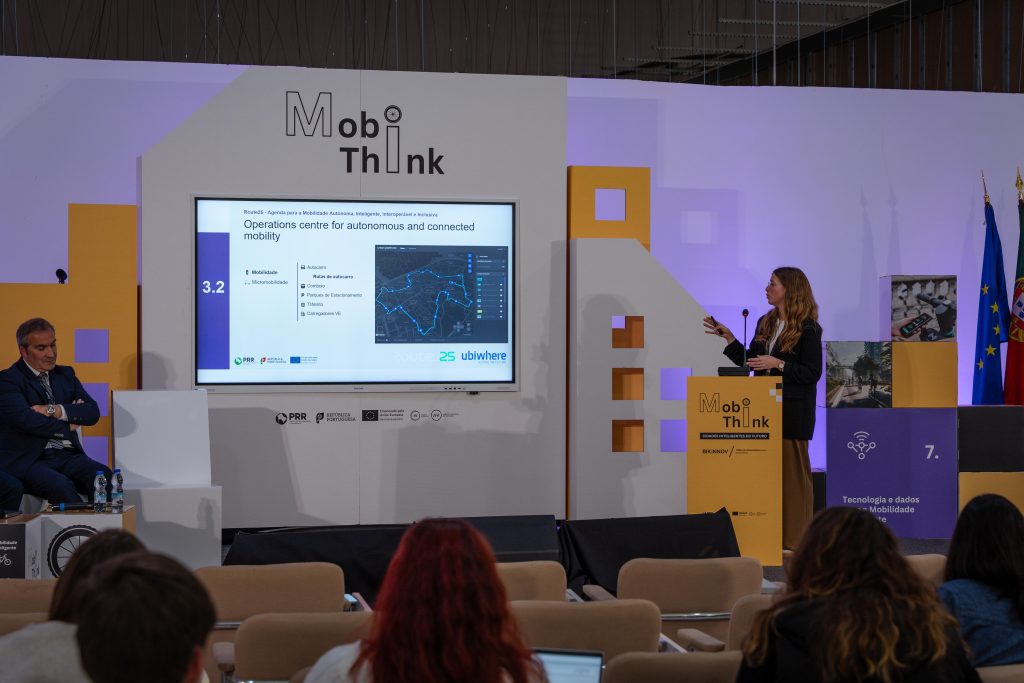
In the afternoon, the focus shifted to technology and data in service of smart mobility. Contributions brought forward innovative digital solutions, concrete projects such as urban living labs, and the growing role of IoT and data analytics in building more efficient, connected, and sustainable cities. The importance of understanding mobility patterns to better design the urban future became clear.
On April 15, the morning was dedicated to the electrification of cycling mobility, featuring an in-depth discussion on the technological, energy, and strategic challenges associated with the transition to decarbonized models. The evolution of e-bikes and their impact on the European mobility ecosystem emerged as one of the central themes, highlighting a quiet revolution underway.
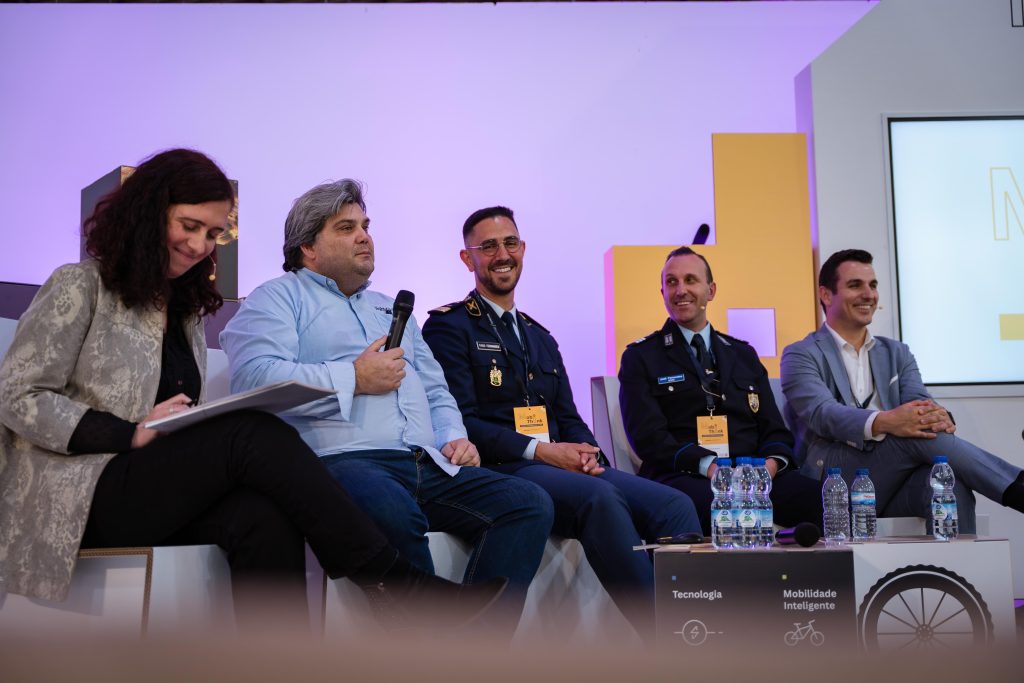
The afternoon concluded with an essential reflection on nighttime cycling mobility and safety. From urban design and infrastructure to awareness and the role of law enforcement, the importance of creating conditions for safe active mobility at any time of day or night was emphasized. Urban lighting and civic awareness emerged as key factors for effective transformation.
More than just a series of sessions, these two days served as a space for sharing, inspiration, and collective construction. The diversity of perspectives and the high level of contributions demonstrated that the path toward more sustainable and intelligent cities is being shaped collaboratively.
On May 5, 6, 7, and 8, new sessions will take place, introducing new topics and perspectives, continuing this cycle of reflection and action on the future of mobility.
The upcoming meetings promise to carry this essential conversation forward—because the future of mobility is not something to wait for, but to build.
This initiative is part of project 004ANI – Cities of the Future, within the Interface Mission – Base Funding for Technology and Innovation Centers, funded by the PRR – Recovery and Resilience Plan and NextGenerationEU.
For more information, visit: https://recuperarportugal.gov.pt